Which Bathroom Tiles Are Actually Waterproof?
Porcelain is the only common bathroom tile that is effectively waterproof, with a water absorption rate at or below 0.5%. Ceramic absorbs more and depends on its glaze. Natural Stone is porous and needs sealant. In a full bathroom, the tile rarely fails, while the grout, joints and substrate underneath can. The waterproofing membrane beneath the tile protects the floor, regardless of the tile’s rating.
See these tiles in person at our Brodheadsville showroom →
Bathroom remodels call for materials that handle daily water exposure, humidity and temperature changes. Choosing waterproof flooring for your bathroom protects your investment and prevents potential damage in the future. This guide explains which types of tile hold up, how vinyl plank and laminate measure-up, and how to choose the right one for your bathroom. For a closer look at these options, see our waterproof flooring options.
For where water gets into a floor after it's installed, read Is Waterproof Flooring Actually Waterproof?
What makes a tile waterproof rather than water-resistant?
A tile is waterproof when it absorbs almost no water through its body. According to ANSI, porcelain qualifies as waterproof, with an absorption of 0.5% or less. Some water-resistant materials might shed brief spills, but they will allow standing water to seep in after a few hours. The rating describes the tile, but the grout and substrate will decide whether the installed floor actually stays dry.
Your bathroom floor can also be worn down by foot traffic, cleaning products and humidity. Having a waterproof floor surface keeps water out where it’s continuous, but the seams and edges are where it usually gets in.
Porcelain, ceramic and natural stone in a bathroom
Porcelain is the safest of these three choices for bathroom flooring because it absorbs almost no water. Ceramic costs less, but will absorb more depending on the glaze. Natural stone is porous and must be sealed in order to prevent water from remaining on the surface. Any of these types of flooring can work when the installation is done right.
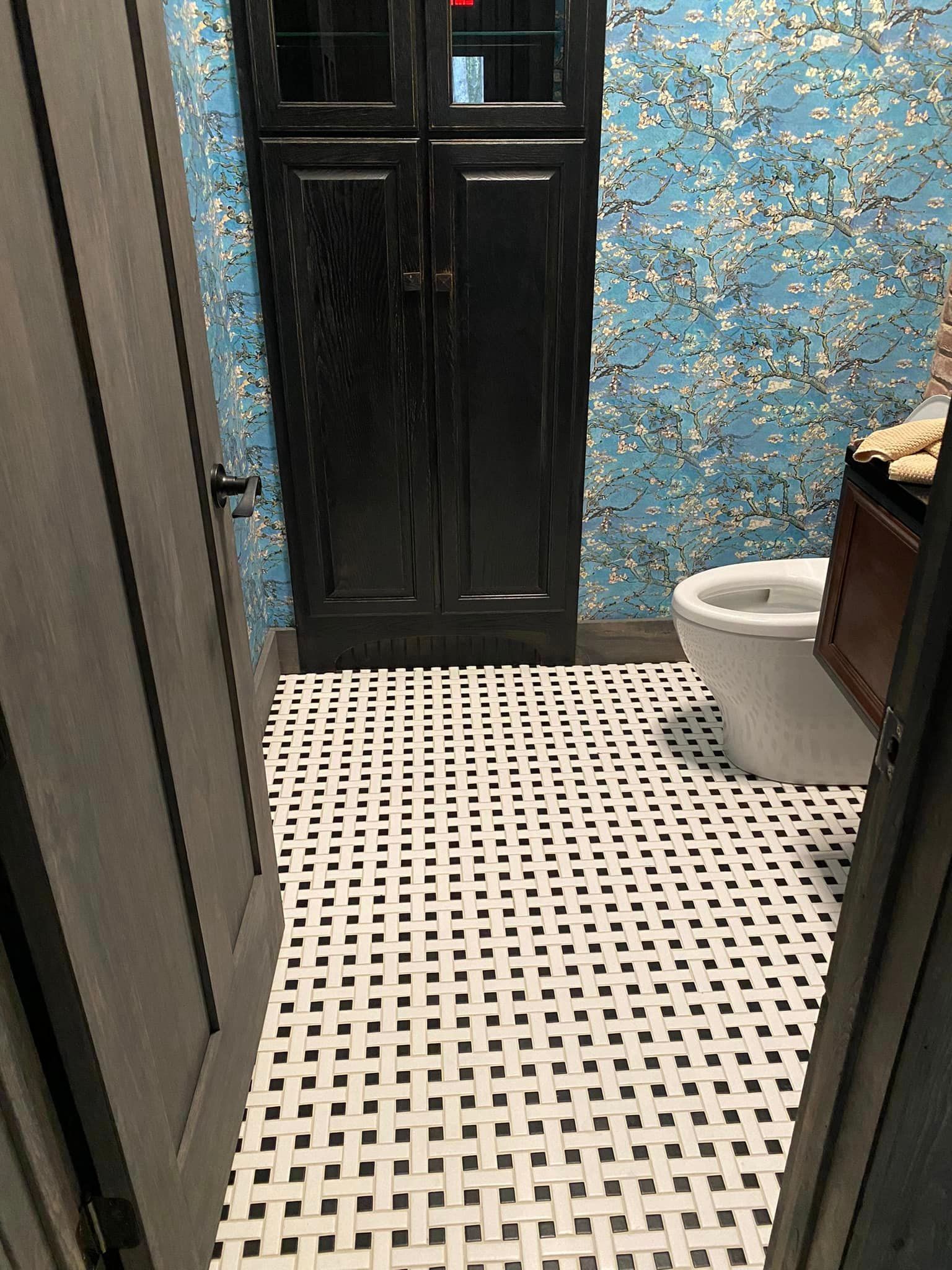
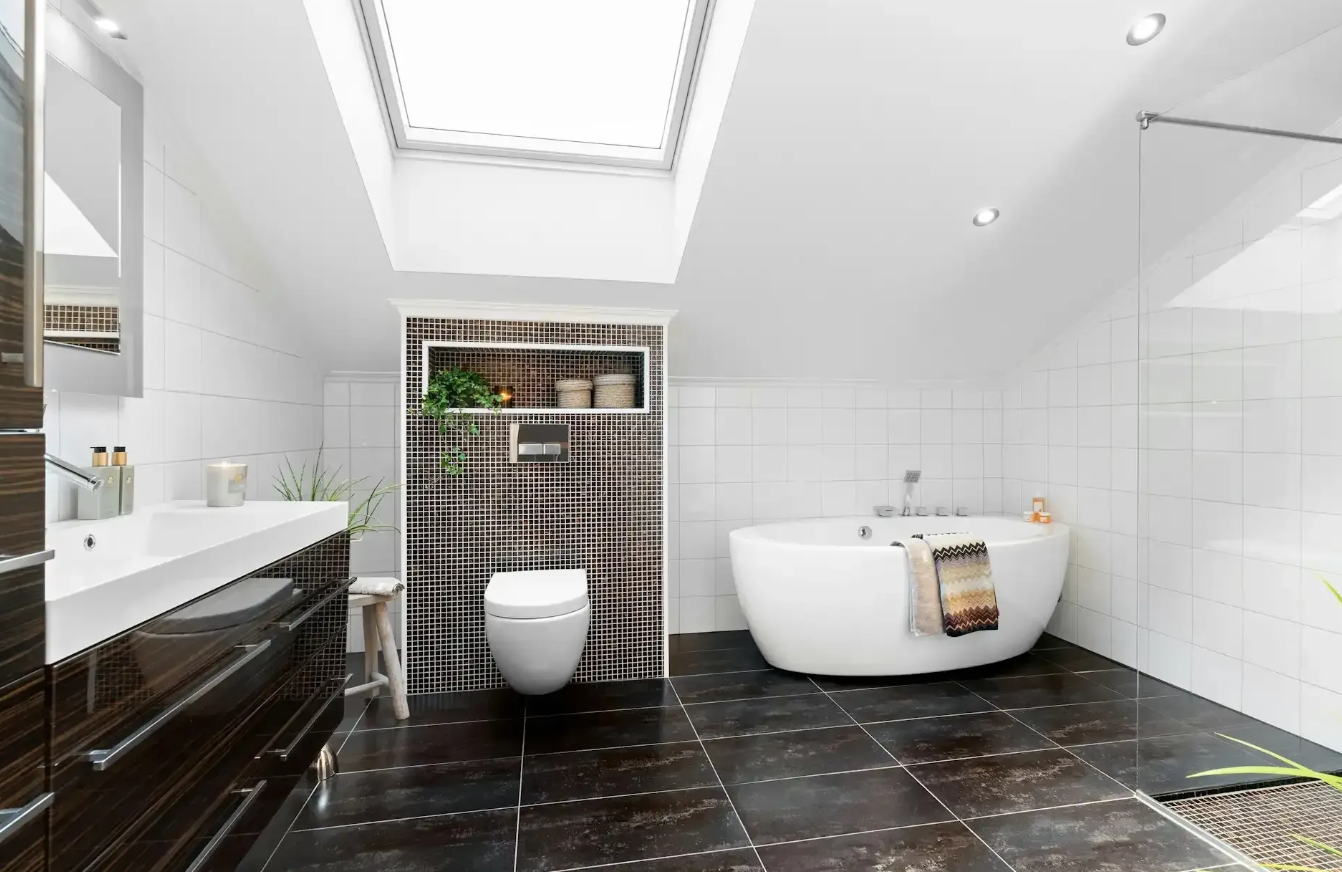
Porcelain tile is the usual choice for bathroom flooring. The tile itself is impervious to water, and the floor is only as watertight as the installation quality. Porcelain resists stains, scratches, and moisture better than alternatives, and it’s available in various colors and styles to match the look and feel you want. Installation requires proper subfloor preparation and careful attention to grout and sealant in order to create a waterproof barrier. If it’s installed properly, tile floors can last for decades.
The main concerns include:
- Cold surface temperature requires bath mats or heated flooring systems
- Grout lines must be periodically resealed to maintain waterproofing
- Installation costs run higher due to specialized requirements
- Hard surface provides less cushioning than other materials
- Wet floors can get slippery unless you choose textured finishes
Ceramic tile is a budget-friendly alternative to porcelain. It performs well in bathrooms, but can absorb more water. Whether it needs more attention to prevent water from penetrating the tile’s body depends on the type of glaze in each tile.
Natural stone like slate, granite or marble is porous to some extent. It needs to be properly sealed before being installed in a bathroom, and will also need regular resealing in the future. If left unsealed, the stone floor will absorb water, as well as stains.
Why grout and the substrate matter more than the tile
Water rarely goes through porcelain tile. It’s capable of seeping in through the grout lines and joints around the walls and tub area, as well as the substrate underneath the tile. The waterproofing membrane and the prep work done beneath the tile will do more to seal the floor than trusting the tile’s rating. Standard grout is also porous and will need to be resealed to maintain a dry floor.
Subfloor preparation is vital to the installation process. This must be level, dry and structurally sound with a proper moisture barrier to protect water from coming up from below. Taking these steps lets waterproof bathroom flooring perform as expected.
Grout and sealant can keep tile floors waterproof over time. Inspect grout lines once a year for cracks or gaps, and reseal every one to three years depending on how often the bathroom is used.
A few habits keep the seal intact:
- Clean spills and standing water quickly, and use bath mats near showers and tubs.
- Sweep or vacuum to clear grit, using a pH-neutral cleaning solution made for your floor type.
- Run the ventilation fan during and after showers.
- Check seams, edges and grout lines once a year.
Talk to our install team about waterproofing your bathroom
Which tile to choose for a full bath, a powder room and a shower floor
For a full bath and shower floor, porcelain is the best choice of tile placed over a waterproof membrane. For a simple powder room with little or no water exposure, ceramic tile or sealed vinyl plank usually work.
A bathroom that will be exposed to high amounts of foot traffic will face different demands than a guest powder room. Consider the use you expect for the space and what level of moisture might occur.
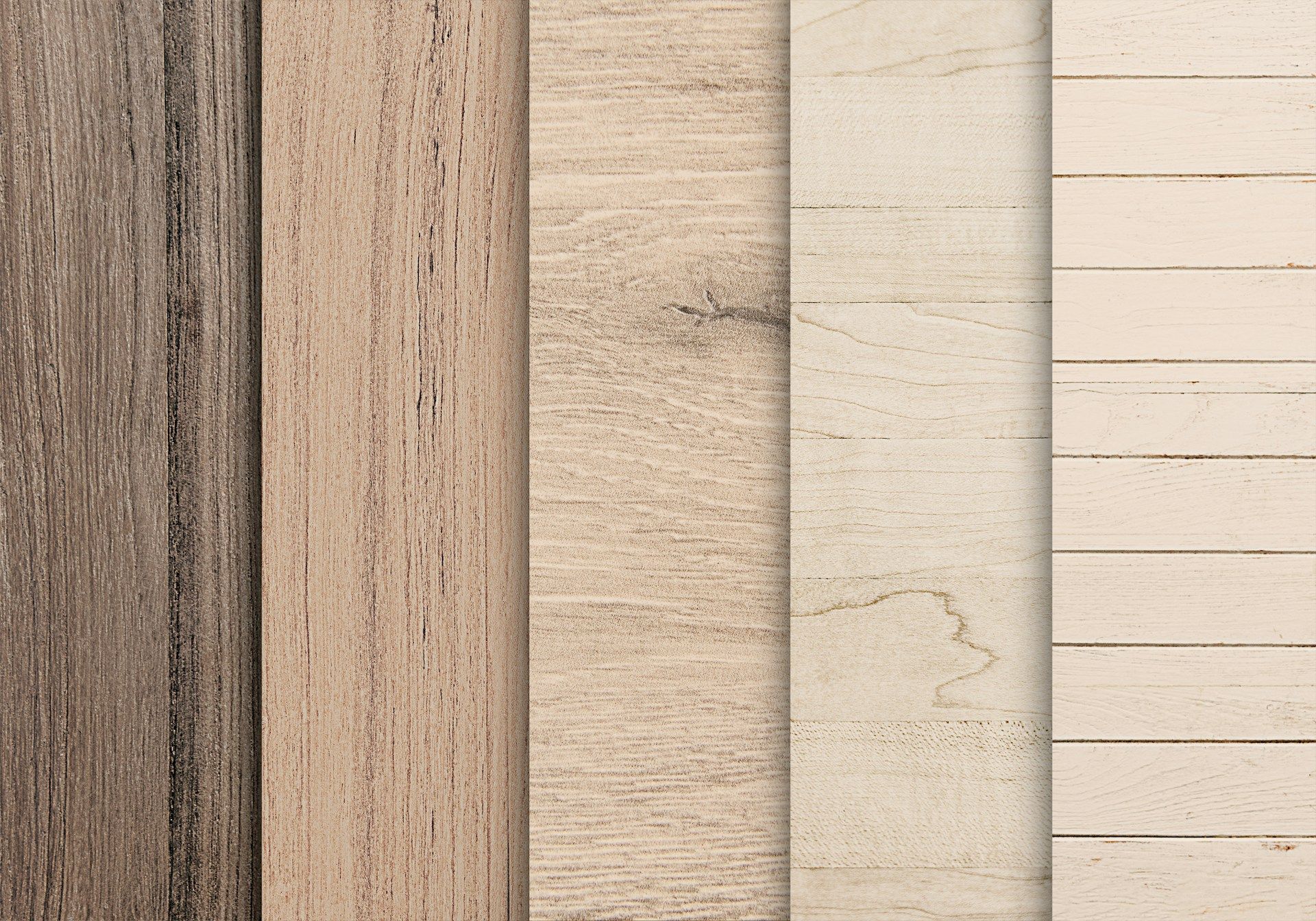
Once these details are clear, selecting a style is the next step. Modern bathrooms feature sleek, large-format tiles, while traditional spaces usually suit classic patterns, and wood-grain vinyl or laminate can bring a sense of warmth to any home design. For the rest of the house, see our guide to tile flooring in Brodheadsville.
Waterproof vinyl plank bathroom flooring (LVP)
Luxury vinyl plank combines affordability with a waterproofing core that can handle spills and even standing water. It’s easier and faster to install, costs less and comes in a wide range of styles to choose from. Most waterproof vinyl plank options for bathrooms use click-lock systems that float over the subfloor to speed installation and reduce costs.
The core is waterproof, but the click-lock joints and cut edges are not sealed. The perimeter and cut edges in a bathroom need to be properly sealed to lock-out moisture. Some types of LVP can be glued down for wet rooms to provide a tighter seal.
Advantages:
- Warmer feel than tile or stone
- Flexible material provides cushion and noise reduction
- Simple installation
- Lower overall costs, materials and maintenance
- Easy repairs
Waterproof laminate flooring
Traditional laminate can swell when it gets wet. Newer waterproof versions use modified cores and sealed edges to prevent moisture from entering. Laminate flooring is easy to install, but isn’t capable of handling everyday bathroom moisture. Water can get into the HDF core through a seam or cut edge, which causes the core to swell. For a bathroom with a shower or tub, choose tile or LVP.
Frequently asked questions
Which tile is completely waterproof?
Porcelain is the closest to being waterproof. Water doesn’t pass through the tile itself, but it is possible that moisture can seep through the grout lines, joints at each wall, and the substrate. Tile flooring must be installed with a membrane underneath to seal out moisture.
What is the difference between waterproof and water-resistant flooring?
Waterproof flooring doesn’t absorb moisture. Water-resistant material will tolerate brief spills, but is vulnerable to swelling if water stays on the floor. Most waterproof products are only waterproof on the plank itself, leaving the edges and seams as the only area where water can make its way through to the subfloor.
How often should you reseal grout in a bathroom?
Check grout lines at least once a year for cracks and reseal the floor every one to three years depending on how often it’s used. Sealing prevents water from working its way through the grout and protects the subfloor.
Is tile or vinyl better for a bathroom floor?
For a full bathroom with a shower, tile over a waterproofing membrane is the best choice. Vinyl plank might cost less, but the click-lock joints and cut edges must be sealed to keep moisture out.
Why choose Floor Source for your bathroom floor
The Floor Source is a family-owned flooring showroom in Brodheadsville, serving the Poconos since 1998. We’re one of the few Poconos flooring retailers that supplies and installs.
We guide you through material selection to match your needs, budget and style. Our showroom at 1546 Route 209 displays full-size samples so you can see and feel materials before deciding. We also offer design assistance and CAD visualization tools to help you picture your finished space.
Talk to us about your bathroom remodel and
get a free quote.