Tile Flooring in Brodheadsville: Where Porcelain Works Best and How to Plan the Rest of Your Home
If you are replacing floors across more than one room, the hardest part is rarely choosing a tile you like. The bigger question is where that tile should stop. Bathrooms, kitchens, mudrooms, basements, bedrooms, and living spaces all deal with different levels of moisture, traffic, warmth, and comfort, so one material does not have to cover the entire house.
For homeowners comparing tile flooring in Brodheadsville, porcelain deserves special attention in the rooms that see wet shoes, spills, humidity, and daily wear. Its low water absorption and dense surface make it a practical choice for demanding areas, while other flooring types can make more sense where softness, warmth, or a continuous wood look matters more.
A good whole-home plan starts by matching each material to the job. Here is how to decide where porcelain earns its place and how to make the transitions to the rest of your flooring feel intentional.
Why Porcelain Works So Well in High-Moisture Areas
Porcelain is a type of ceramic tile, but the performance difference matters when you are choosing a floor for a wet or heavily used room. Industry standards classify porcelain as impervious tile when it absorbs 0.5% water or less. That low absorption helps the tile itself handle moisture, spills, and humidity without the swelling concerns associated with many wood-fiber materials.
That makes porcelain especially useful in homes where weather follows you indoors. In the Poconos, an entry or mudroom can see wet boots, snow, grit, and road salt during colder months. Kitchens and bathrooms bring their own moisture, while laundry rooms need to handle the possibility of drips and appliance leaks. Porcelain gives those spaces a hard, cleanable surface that can take repeated use.
The finish still matters. A polished tile may look beautiful in a dry space but can feel slick when wet. Matte or textured finishes are often better candidates for bathrooms, entries, mudrooms, and other areas where traction matters. You should also check the manufacturer’s intended use and slip-resistance information for the exact product you are considering.
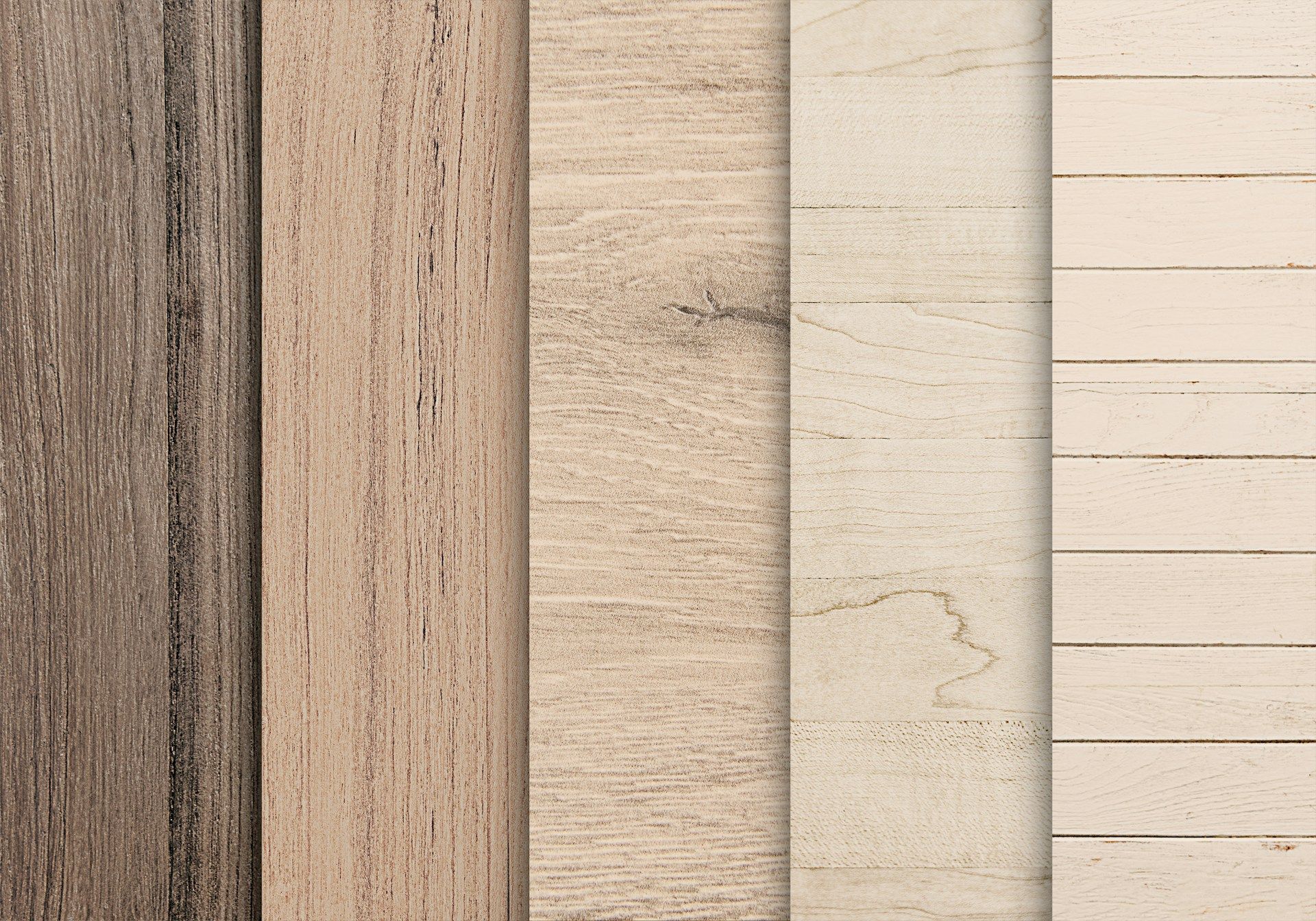
Porcelain is also a strong design tool. Wood-look planks can carry the visual rhythm of hardwood into a bathroom or entry. Stone-look and concrete-look tiles can make a kitchen feel grounded without introducing the maintenance of natural stone. Large-format options can reduce the number of grout lines and create a quieter visual field in open spaces.
Where Porcelain Tile Makes the Most Sense
You can install porcelain in many parts of a home, but its strengths are most valuable where moisture, dirt, and wear are part of everyday life. Thinking room by room helps you avoid paying for the hardest surface where you do not need it while still protecting the areas that work the hardest.
Here is a quick room-by-room comparison:
| Room | Why porcelain fits | What to think about |
|---|---|---|
| Bathroom | Very low water absorption and easy cleanup suit daily humidity and splashes. | Choose a floor-rated tile and a finish with appropriate traction for wet conditions. |
| Kitchen | Handles spills, stains, chair movement, and heavy foot traffic. | Consider comfort underfoot, grout color, and how the tile will transition to adjoining rooms. |
| Entry or mudroom | Stands up to wet footwear, grit, and frequent cleaning. | A matte or textured finish can help with traction when shoes are wet. |
| Laundry room | Moisture resistance is useful around washers, utility sinks, and wet clothing. | Plan appliance clearances and make sure the substrate is stable before installation. |
| Basement | Can be a good fit on a properly prepared slab when moisture is part of the design conversation. | Diagnose water or vapor problems first. Tile does not fix drainage, leaks, or an unsuitable substrate. |
The table points to an important distinction: porcelain can handle water exposure at its surface, but the full floor system still depends on the substrate, mortar, grout, movement joints, and surrounding construction. A durable tile installed over a moving, cracked, or persistently wet base can still develop problems.
That is why installation planning should happen before you fall in love with a specific pattern. Porcelain is dense and hard, which makes it more demanding to cut and set than many ceramic products. Large-format tile also puts more pressure on substrate flatness. The finished floor is only as dependable as the surface supporting it.
Plan for Basement and Groundwater Moisture Before Installation
Basements in and around Brodheadsville deserve a separate conversation because below-grade moisture does not behave like a spilled drink on a kitchen floor. Pennsylvania groundwater levels can rise after rainfall and snowmelt, and low-lying areas can experience groundwater close to the surface. If your property has a high or seasonally rising water table, the flooring decision should start with the source of the moisture.
Before choosing a basement finish, look at the conditions below and around the floor:
- Check for active leaks, seepage, or standing water before covering the slab.
- Ask whether moisture is moving through the concrete as vapor, especially if the basement has a history of dampness.
- Address drainage, grading, sump, or foundation issues when they are contributing to water entry.
- Confirm that cracks, uneven areas, and movement in the slab are evaluated before tile is installed.
- Choose adhesives, membranes, grout, and other installation materials that are appropriate for the substrate and moisture conditions.
- Be cautious with wood-fiber flooring in areas where recurring moisture could reach the core or backing.
Porcelain can be a sensible part of a moisture-conscious basement plan because the tile itself is not an organic material that swells when it absorbs water. It should still be treated as one part of the assembly, not as a cure for a wet basement. If water is entering the structure, solve that problem first and then build the floor system around the conditions that remain.
For homes with ongoing moisture concerns, it can also be useful to compare porcelain with other waterproof flooring options. The best material depends on the substrate, how the room will be used, and how much warmth or softness you want underfoot.
How to Plan the Rest of Your Home Around Tile
Once you know where porcelain belongs, the next job is making the rest of the house feel connected. A whole-home flooring plan does not need one material everywhere. It does need clear visual logic and well-planned transitions.
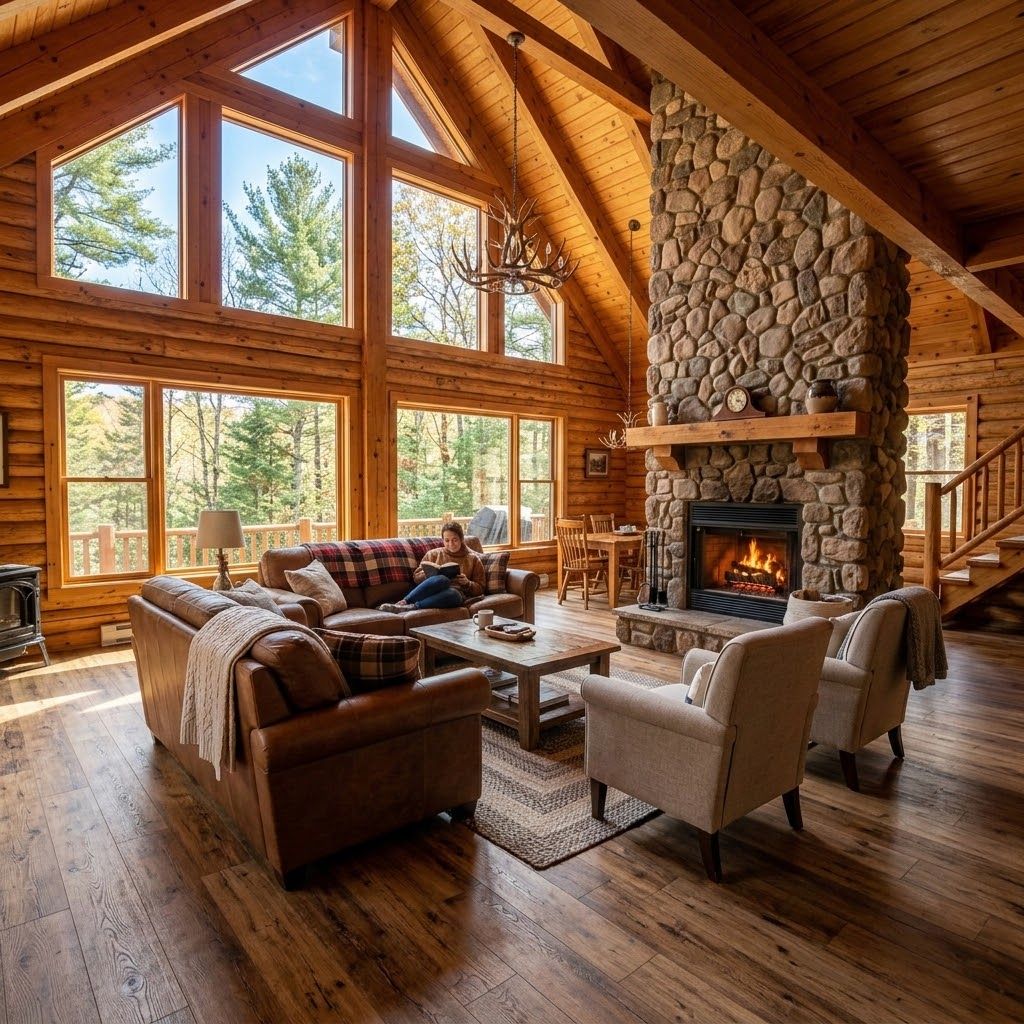
Start with the rooms that set the tone for the house. If your living room, dining room, and main hallway are open to one another, keeping one continuous floor through those spaces usually creates a calmer look. Hardwood flooring can bring warmth and natural variation to shared living areas, while vinyl flooring can provide a softer, easier-care surface when you want a wood or stone look with more moisture tolerance.
Bedrooms often have a different priority. You may care more about warmth, quiet, and comfort than water resistance there, which is why carpet can still make sense even when the rest of the home uses hard surfaces.
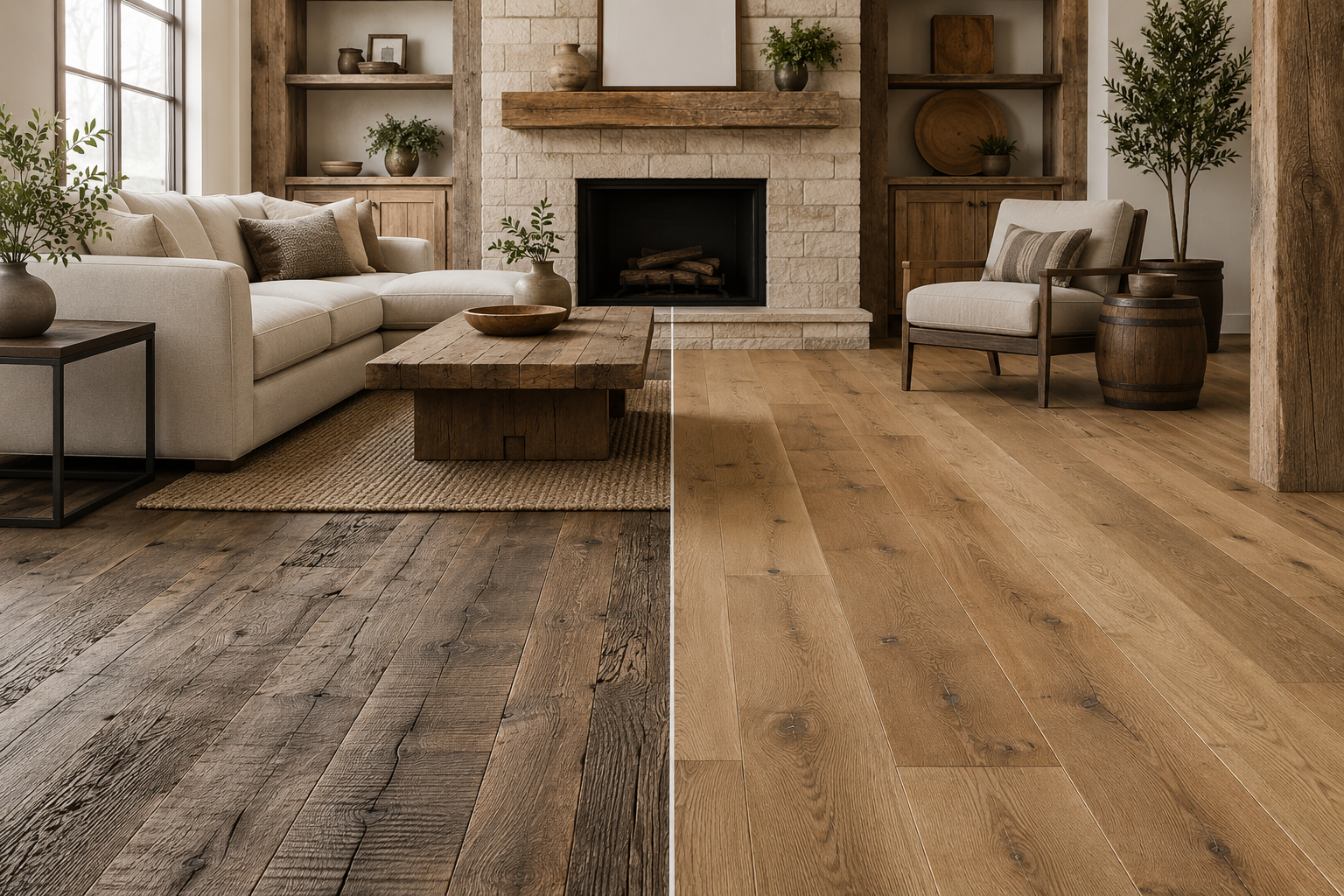
A simple way to keep multiple materials from feeling patchy is to repeat visual cues. If your porcelain has warm beige veining, choose nearby wood or vinyl with a compatible undertone. If the tile is cool gray, avoid pairing it with an orange-toned floor unless you want a strong contrast. Samples should be viewed side by side in the actual light of your home because undertones can shift dramatically from a showroom to a north-facing room.
Transitions also need to be planned physically. Tile assemblies can finish higher than adjacent flooring because of underlayment, membrane, mortar, and tile thickness. That height difference affects door clearances, baseboards, thresholds, and transition strips. Planning those details before installation produces a cleaner result and can prevent awkward steps between rooms.
Small Installation Details That Protect the Finished Floor
Porcelain is durable, but durability does not eliminate the need for careful installation. The most expensive tile in the showroom can still disappoint if the substrate moves, the layout creates tiny cuts at walls, or the grout choice is wrong for the space.
Before installation begins, make decisions about layout, finish, grout, and transitions together. In a kitchen, for example, you may want the tile centered on a main sightline instead of starting with a full tile at one wall and ending with a narrow strip at the other. In a bathroom, the floor layout should coordinate with the shower, vanity, and doorway so the room feels balanced.
Subfloor preparation matters just as much. Porcelain needs a flat, stable base. Movement below the tile can lead to cracked grout or loose tile, and large-format products are especially sensitive to unevenness. A professional installation plan should account for the existing subfloor, the tile size, the correct setting materials, and the transition to neighboring flooring.
If you are considering radiant heat, decide that early as well. Porcelain conducts heat effectively, which can make a tiled bathroom, kitchen, or lower-level room more comfortable during cold Pennsylvania winters. The heating system, underlayment, and tile installation need to be designed as one assembly.
Finally, think about maintenance before choosing a very light grout or deeply textured surface. Porcelain itself is easy to sweep and mop, but grout lines and surface texture affect how quickly a floor looks dirty. A practical finish that suits the room will usually age better than one chosen from a small sample without considering daily use.
Create a Flooring Plan That Fits the Whole Home
The best flooring plan for a Brodheadsville home usually gives each room the material it needs while keeping the entire house visually connected. Porcelain can take on the wettest and hardest-working areas, while hardwood, vinyl, or carpet can bring warmth and comfort to the spaces where those qualities matter more.
At Floor Source, we can help you compare porcelain tile with the other flooring options you are considering, look at how materials meet from room to room, and plan the installation around your home’s actual moisture and subfloor conditions. Visit our Brodheadsville showroom to see samples together and build a floor plan that works as one complete home.