Is Waterproof Flooring Actually Waterproof?
Mostly, no. On most waterproof flooring, the plank is waterproof, but water can still get through the seams around the edges. Surface spills won’t get through these seams as long as they are quickly cleaned. If water is allowed to stay on the surface for an extended period of time, it’s likely to seep through the edge around the planks. The key to keeping a bathroom floor dry is ensuring that it’s properly installed and sealed.
Water-resistant flooring can handle a spill for a short amount of time, but if water is left to soak in for hours or longer, it’s going to cause damage. A waterproof core ensures that the plank won’t swell if it gets wet. A waterproof floor assembly is designed so that the planks, seams, and perimeter keep water from reaching the subfloor.
Key Takeaways
- A waterproof plank and a waterproof floor are two different things. Most “waterproof” products are rated for the plank itself.
- The most common way for water to get into a click-lock floor is through the seams and cut edges.
- Laminate flooring with an HDF core will swell if water reaches the core, regardless of surface rating.
- In a wet room, the perimeter expansion gap must be sealed to prevent damage to the subfloor.
- Porcelain tile with a proper membrane underneath is the safest choice for a full bathroom.
What "waterproof" actually means on a flooring box
Most “waterproof” flooring products aren’t actually capable of keeping water from seeping through. The plank itself might be waterproof, but the floor will be vulnerable to water getting in around the edges. There are three levels of waterproofing when it comes to flooring: water-resistant, waterproof core and waterproof assembly.
Laminate flooring is usually water-resistant. Laminate is made with an HDF core, which is wood-fiber pressed into a board. This fiber is covered with a wear layer coating that’s designed to shed liquid that briefly contacts the surface. Once the water gets to the core through a seam or cut edge, the core swells and permanently damages the laminate. Engineered hardwood flooring is similar to laminate and will only tolerate water for a short while.
Most luxury vinyl plank flooring has a waterproof core. The core is made of rigid material with either SPC (stone polymer composite) or WPC (wood plastic composite).
So, is LVP waterproof? The plank itself is usually able to withstand extended exposure to water, but LVP flooring is not fully waterproof. The click-lock joints between planks might seem to be air-tight, but they aren’t sealed.
A floor that’s truly waterproof is one that’s capable of completely stopping water from reaching the subfloor. Sheet vinyl flooring provides substantial waterproof protection because it’s laid in wide pieces with few seams. Porcelain tile is often best for bathrooms and kitchens, but in showers and other wet areas, TCNA guidance on waterproofing membranes calls for a membrane under the tile.
The wear layer on LVP protects against scratches and dents, but won’t keep water from getting through.
Compare waterproof flooring options side by side →
Where water gets into a waterproof floor
A plank passing a waterproof test doesn't tell you anything about the overall floor structure. Water gets in at the seams, the cut edges around pipes and walls, and the perimeter expansion gap.
Every click-lock floor is held together through a grid of seams, but these aren't joined into one continuous surface like vinyl flooring. Spills that are quickly cleaned are fine, but standing water around showers and tubs will eventually find its way between the planks.
Cut edges are especially vulnerable. When a plank is trimmed to fit around a toilet or doorway, its factory sealed edge gets stripped away exposing the raw core.
The perimeter expansion gap is a small space that allows the rigid-core to expand and contract. This is the largest opening where water often gets through. If left uncovered under the baseboard, it can be a direct water channel to the subfloor.
None of this shows in a submersion test, which checks the plank on its own and leaves out the seams or gaps in a real floor. The plank also can’t tell you whether the subfloor underneath is dry enough to lay it on. On concrete, you check that with an ASTM F2170 relative humidity probe or an ASTM F1869 moisture meter reading checked against the flooring manufacturer’s limits.
What a proper bathroom install does about it
A correct bathroom install starts before the flooring arrives on-site. The subfloor gets tested for moisture and the expansion gap is properly sealed. Each transition point around the door and tub is treated with the expectation that water will reach it.
An underlayment with the right vapor barrier rating helps prevent moisture from moving up from below, but the floor itself must still be tested. Most rigid-core manufacturers call for 100% silicone to seal the expansion gap around the perimeter area.
The doorway requires a transition strip to keep water from reaching the hallway or bedroom. The same goes for any doorway where a wet room meets the rest of the house. For where porcelain works best beyond the bathroom, see our guide to tile flooring in Brodheadsville.
Talk to our install team about your bathroom →
Where a waterproof floor is enough, and where it is not
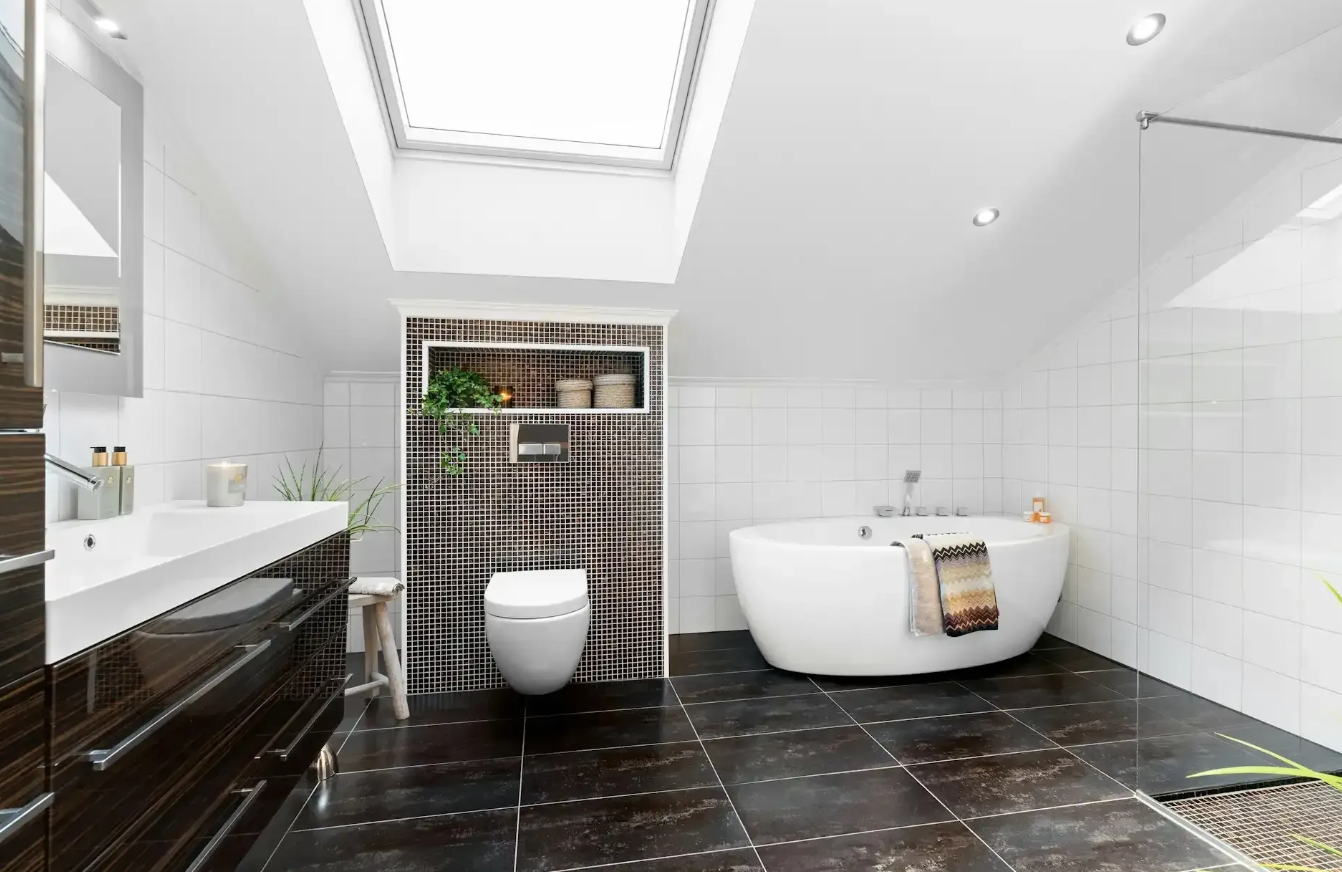
A sealed rigid-core floor is adequate in a laundry room or mudroom. In a full bathroom that’s used often, tile with a real waterproofing membrane underneath is the best option. Our guide to which bathroom tiles are actually waterproof compares porcelain, ceramic and natural stone.
Kitchen floors are slightly different as they rarely experience standing water for extended periods. A well-sealed LVP floor with perimeter treatment will hold up against occasional spills. Basements are in a category of their own since there’s significant risk of groundwater seepage and moisture caused by humidity.
For showers, we recommend porcelain or ceramic tile with a proper membrane. TCNA wet-area guidelines call for a waterproofing membrane under the tile. The tile’s own rating doesn’t cover this. The membrane does. LVP can be installed near showers, but whether it holds up will depend on the perimeter seal holding up.
In the December 2019 issue of Hardwood Floors Magazine, Brett Miller of the National Wood Flooring Association (NWFA) wrote the following:
“Water will find its way through any floor covering (even the “waterproof” stuff) and will potentially adversely affect the substrate.”
Frequently Asked Questions
Is vinyl plank flooring waterproof?
The plank itself usually is, if it has an SPC or WPC rigid core. The floor’s ability to repel water depends on installation and whether seams, cut edges and perimeter expansion gaps are vulnerable to water.
Are the seams in waterproof flooring waterproof?
No. Click-lock seams sit tight enough to shed spills as long as they’re quickly cleaned up. Standing water will eventually find its way between the planks because the seams aren’t bonded into one continuous surface.
Can you use waterproof laminate in a bathroom?
Not in a full bathroom with a shower. Laminate has an HDF core that will swell once water reaches it, regardless of surface rating. Sealed laminate can hold up in powder rooms with low water exposure.
Do you need to seal around waterproof flooring in a bathroom?
Yes. The perimeter expansion gap every rigid-core floor needs has to be sealed with 100% silicone material. An unsealed gap acts as a direct channel that lets water make its way to the subfloor.
Related Guides
- Waterproof flooring options
- How to choose the best waterproof flooring for your bathroom remodel
- Basement moisture and flooring that actually works in Brodheadsville
- Waterproof laminate vs vinyl plank
See it in person before you commit
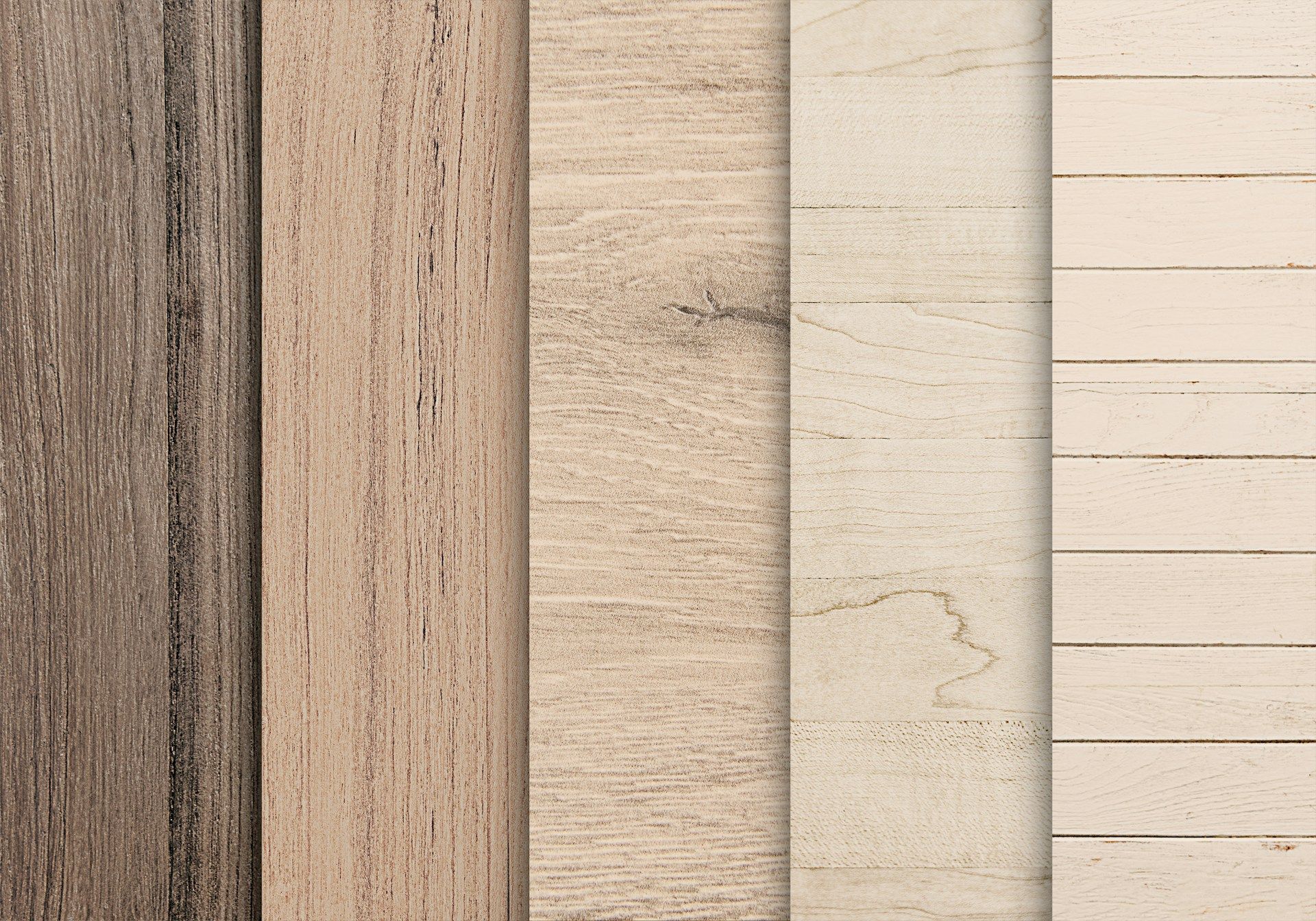
Every one of these choices can look different when you’re standing in a showroom with real samples. SPC, WPC, porcelain, and sheet vinyl all appear differently in photographs and it’s vital to see each option under the lighting in your fixtures or windows.
We’re a family-owned shop in Brodheadsville serving the area since 1998. We carry substantial supplies, and we also offer installations, which means the person helping you select the right flooring is the same team standing behind the installation.
Visit the Brodheadsville showroom and see samples in your own light →